
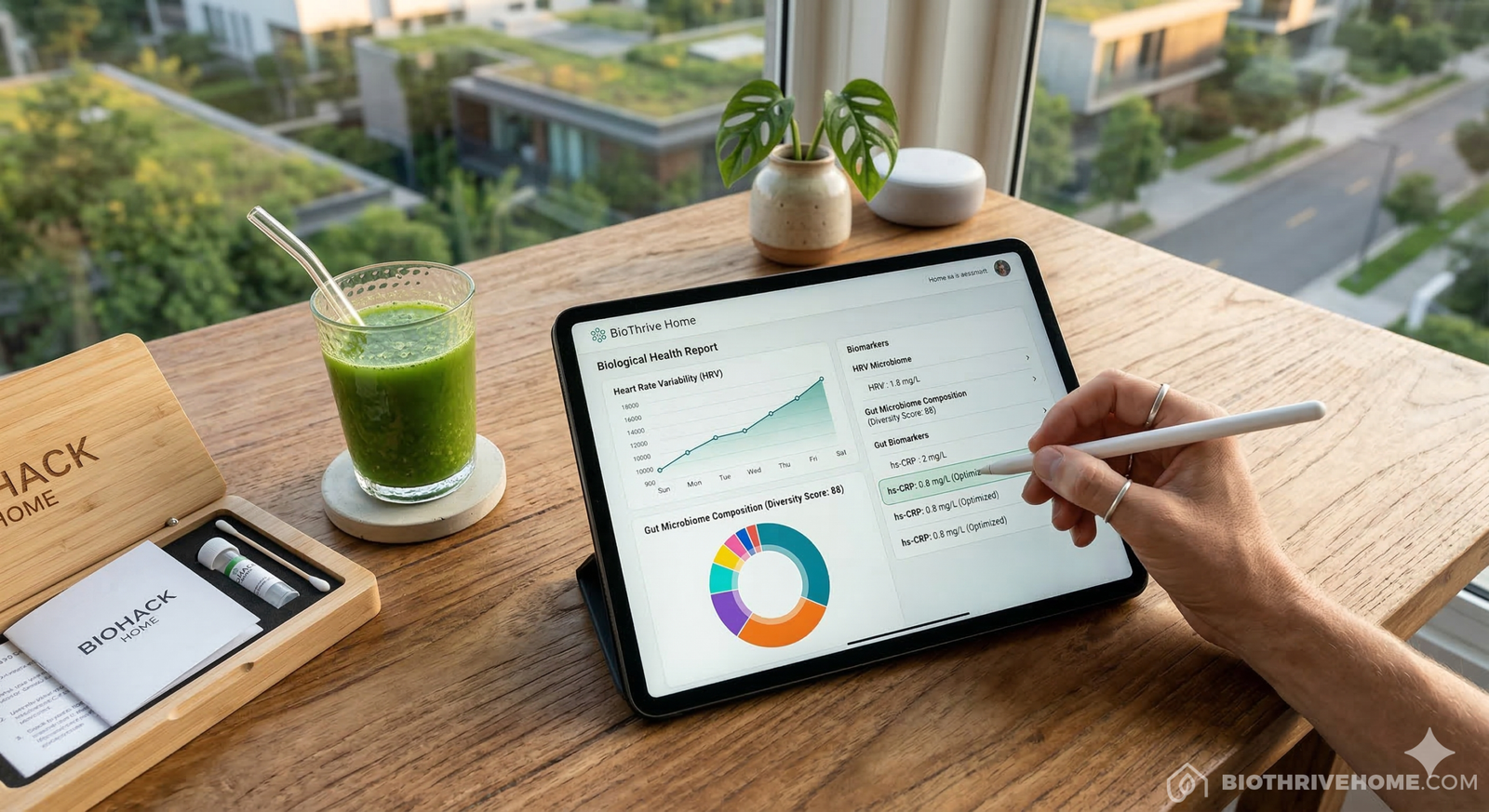
Receiving your first set of at-home lab results is a milestone in your redefining personal longevity through AI journey. However, a PDF filled with numbers like CRP, HbA1c, and Vitamin D levels can be overwhelming. At BioThrive Home, we believe that data without a plan is just noise.
To move from “informed” to “optimized,” you need a framework to interpret these biomarkers and turn them into lifestyle protocols.
1. Prioritizing Your Biomarkers: The Triage Method
Not all numbers are created equal. When reviewing your report, look for the “High Impact” markers first.
- Inflammation (hs-CRP): If this is high, your body is in defense mode. This is the “Longevity Killer” we discussed in our guide on at-home biohacking kits to track biomarkers.
- Metabolic Health (HbA1c/Fasting Insulin): These tell you how your body handles fuel.
- The Action: Focus on one “red” marker at a time. Trying to fix ten things at once leads to biological confusion and poor compliance.
2. Cross-Referencing with Your Wearable Data
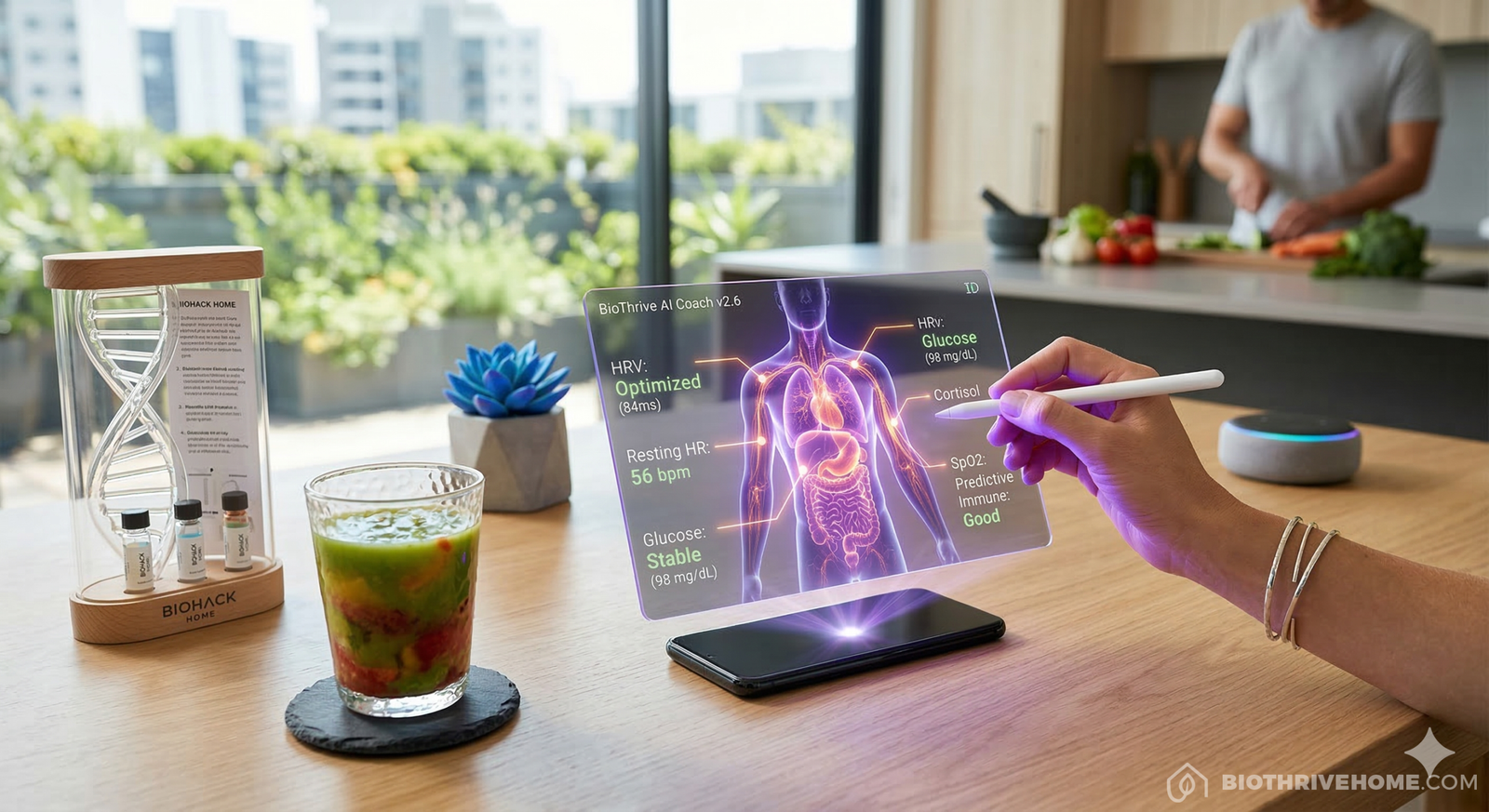
Your lab results are a “snapshot,” but your wearables (rings, watches) provide a “movie” of your health.
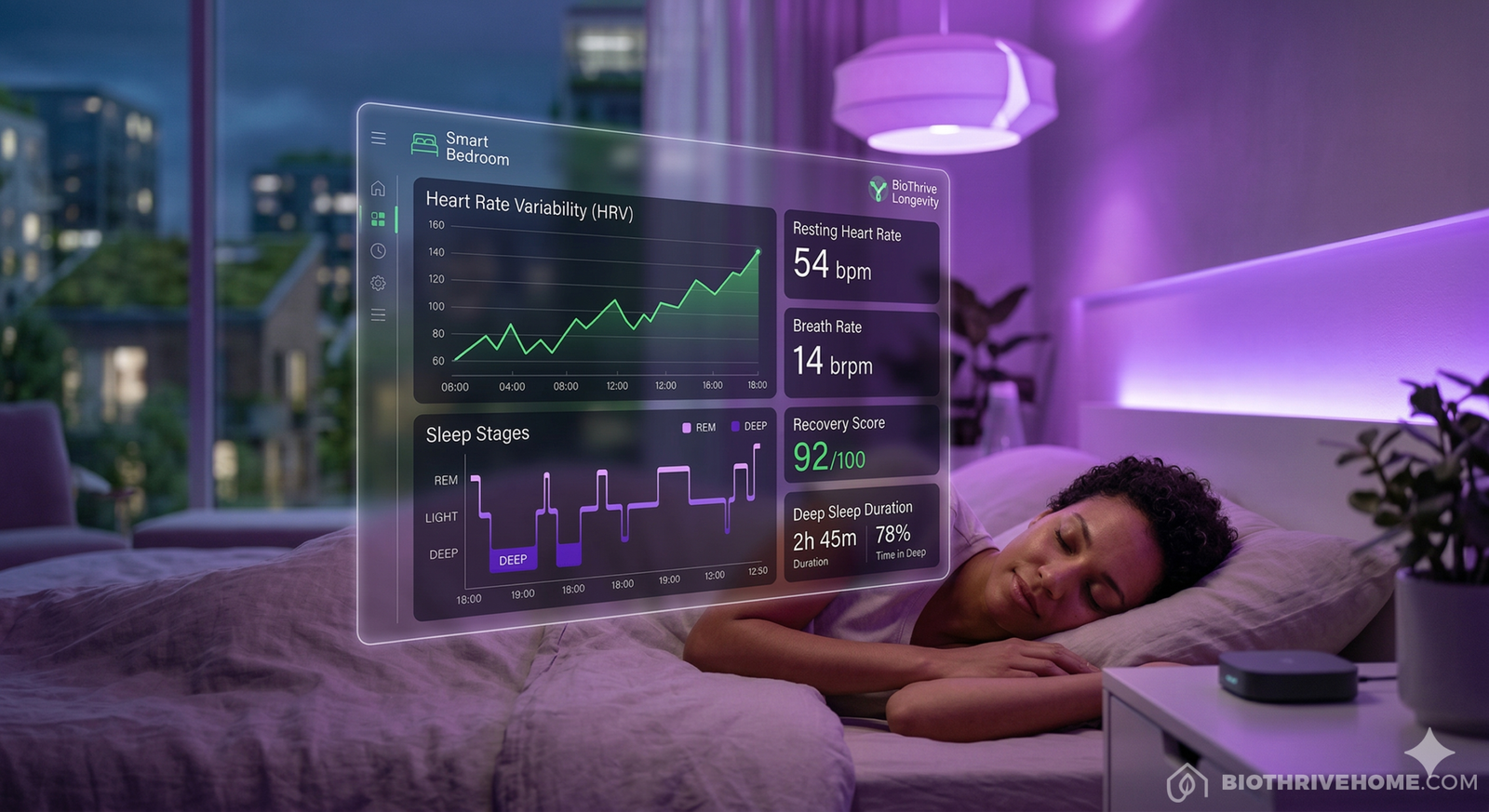
- The Strategy: If your lab results show high cortisol, check your sleep data. Are you getting enough deep sleep? Using technology for AI-driven sleep optimization and recovery can often be the missing link in lowering stress-related biomarkers that show up in your bloodwork.
3. Adjusting Nutrition Based on Microbiome and Deficiencies
If your results show a lack of specific micronutrients or poor gut diversity, the solution isn’t always a pill—it’s your environment.
- The Strategy: Use your results to choose what to plant in your sanctuary. If you are low in specific phytonutrients, shifting your focus to growing nutrient-dense indoor greens allows you to harvest exactly what your body is craving, ensuring maximum bioavailability.
4. Setting the Re-Test Window
Biohacking is an iterative process. Most biomarkers take 3 to 6 months to shift significantly after a lifestyle change.
- The Action: Mark your calendar for a follow-up test. This creates a feedback loop that proves your protocols—whether it’s a new supplement or a change in lighting—are actually working at a cellular level.
Conclusion: Becoming the CEO of Your Health
Reading your lab results is the first step in taking full ownership of your biology. When you treat your body as a high-performance system that requires regular maintenance and “software updates,” aging becomes a process you manage, not something that just happens to you.