The AI Revolution in Health: How Algorithms are Decoding the Human Body

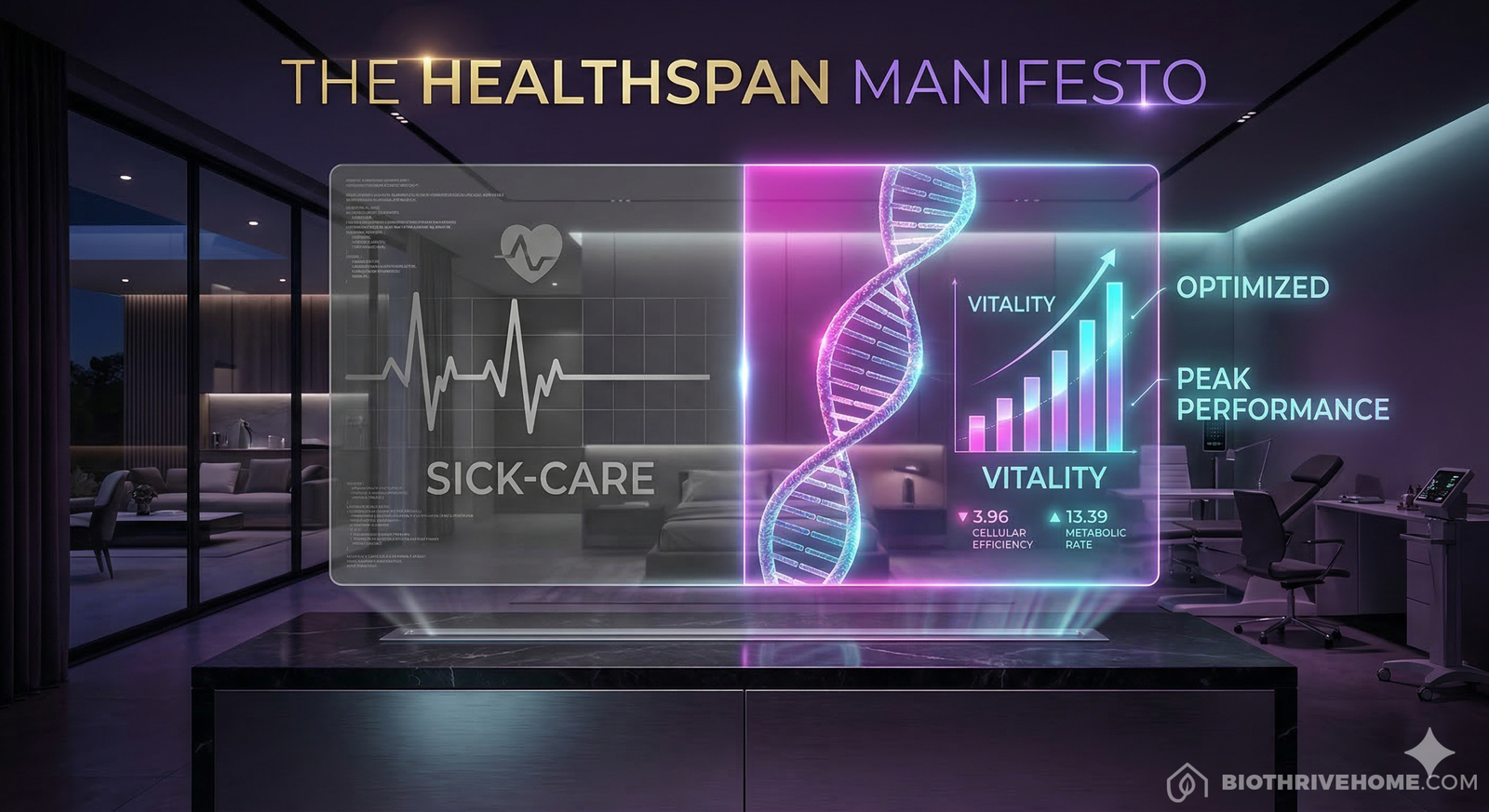
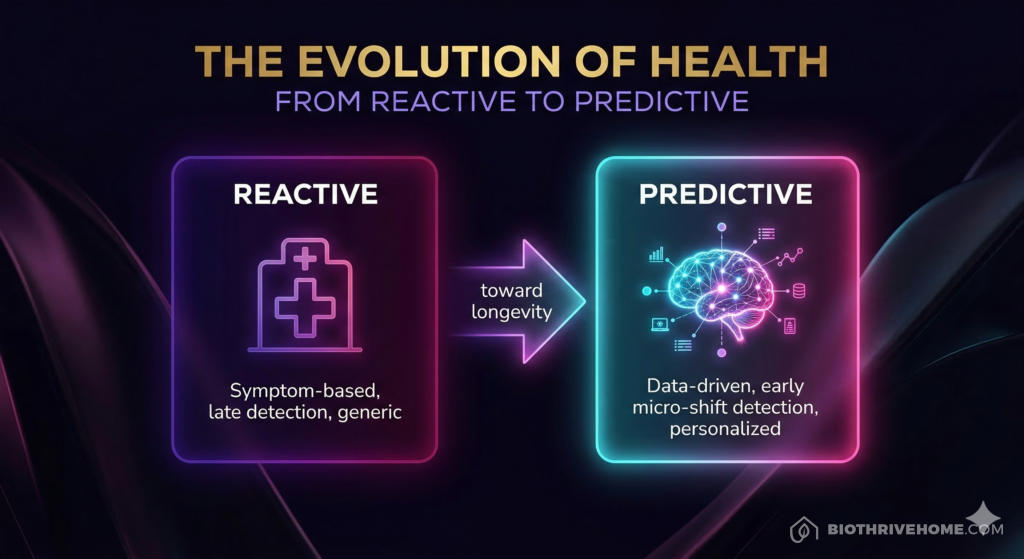
For centuries, medicine has been reactive—a “sick-care” system that waits for a biological failure before intervening. This model is fundamentally limited by the human brain’s inability to process thousands of variables simultaneously. In 2026, the paradigm has shifted. We are no longer guessing at our health; we are treating the human body as a complex, readable, and programmable data set.
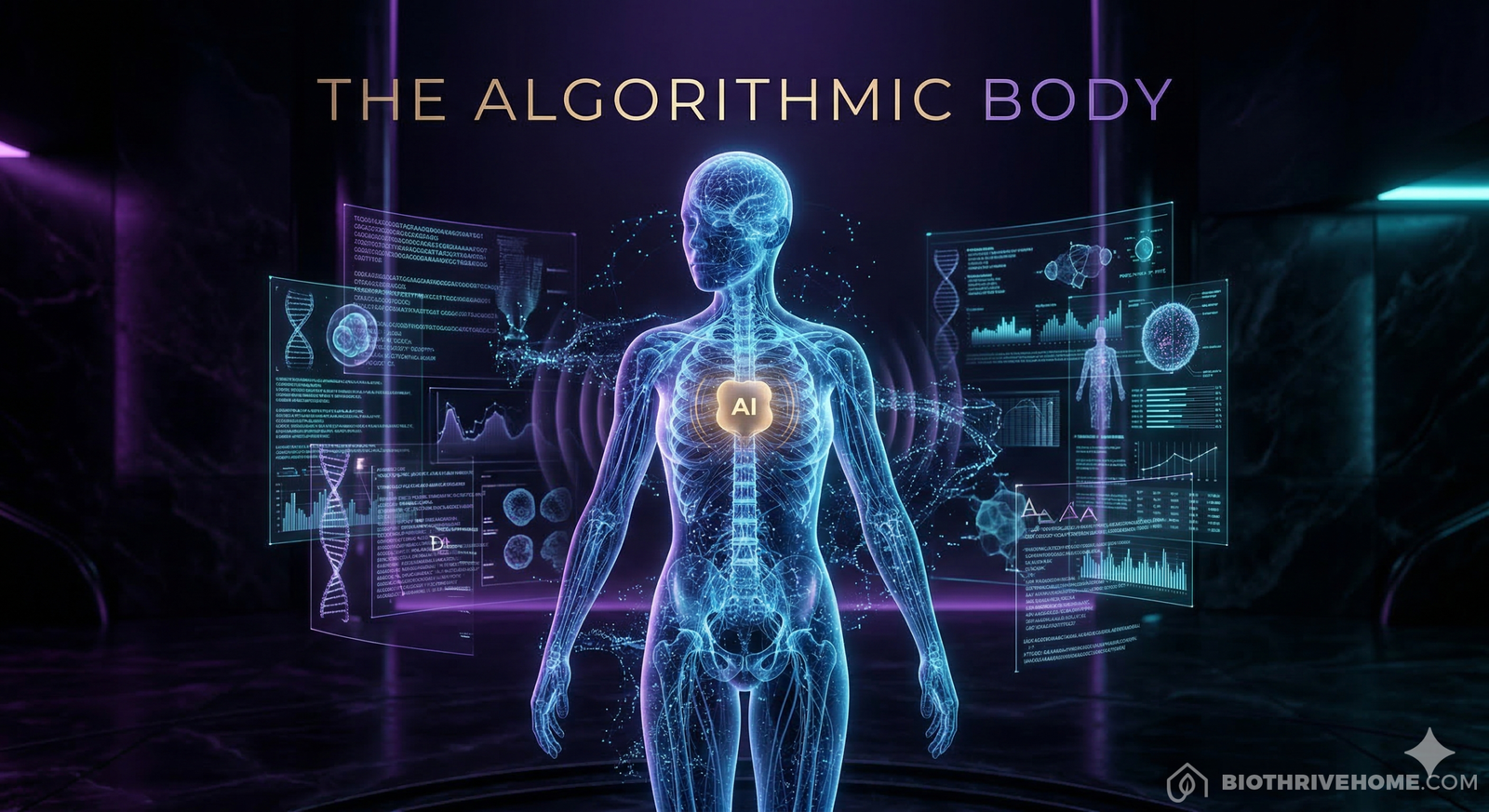
The AI revolution is not about “robots as doctors”—it is about the power of algorithms to see patterns in your biology that no human could ever detect. By leveraging your personal AI health assistant, you are transitioning from generic health advice to a precision-engineered life.
1. Beyond Human Perception: The Power of Pattern Recognition
A doctor looks at your blood work once a year. An AI looks at your biometrics every second. Algorithms excel at identifying “micro-shifts”—subtle changes in your heart rate variability, skin temperature, and sleep latency—that precede illness or burnout by days or even weeks.
- Predictive Intelligence: When your biometric wearable stack feeds data into a specialized neural network, the system can predict a drop in your immune function before you feel a single symptom.
- The Result: Instead of treating a fever, your AI prompts an early neural reset protocol and adjusts your environment to prioritize recovery, effectively “editing” the future of your health.
2. The Living Laboratory: Real-Time Environmental Feedback
AI has moved the “clinical trial” from the laboratory to your living room. Every choice you make—the light you work under, the air you breathe—is now a measurable experiment with a visible outcome on your biological age.
- Closed-Loop Optimization: In a high-performance home office, AI algorithms don’t just monitor the air; they correlate it with your cognitive output. If the system detects a rise in CO2 that correlates with a drop in your typing speed or focus, it doesn’t just notify you—it automates the solution.
- Data Synthesis: This is the “BioThrive” advantage: the ability to cross-reference environmental toxins with internal physiological strain in real-time.
3. Computational Longevity: Programming Your Healthspan
We are entering the era of “Software-Defined Health.” Just as you update the operating system on your phone, you can now use AI to update your biological protocols based on real-world feedback.
- Dynamic Personalization: Generic diets and exercise routines are becoming relics of the past. AI analyzes your unique DNA, microbiome, and daily strain to prescribe the exact micronutrients and recovery windows your body requires at that specific moment.
- Frictionless Integration: By automating your evening wind-down routine, the AI ensures that the “maintenance mode” of your body—sleep—is optimized for the maximum possible cellular repair.
Conclusion: From Passenger to Pilot
The AI revolution in health is the ultimate tool for human sovereignty. It removes the fog of uncertainty and replaces it with the clarity of data. You are no longer a passenger in your own aging process; you are the pilot, using algorithms to navigate toward a longer, more vibrant healthspan. The future of health is not a pill—it is an algorithm.