How to Automate AI-Adaptive Ergonomics and Active Recovery in Your Workspace

Sedentary behavior is the silent killer of longevity. Even with a perfect diet, sitting in a static position for eight hours causes lymphatic stagnation and metabolic slowdown. In 2026, a “smart desk” isn’t just one that goes up and down; it is a bio-responsive system that orchestrates your physical recovery while you remain productive.
By syncing your Personal AI Health Assistant with adaptive hardware, you can eliminate the physical toll of deep work. Here is your step-by-step guide to engineering an active, bio-optimized workspace.
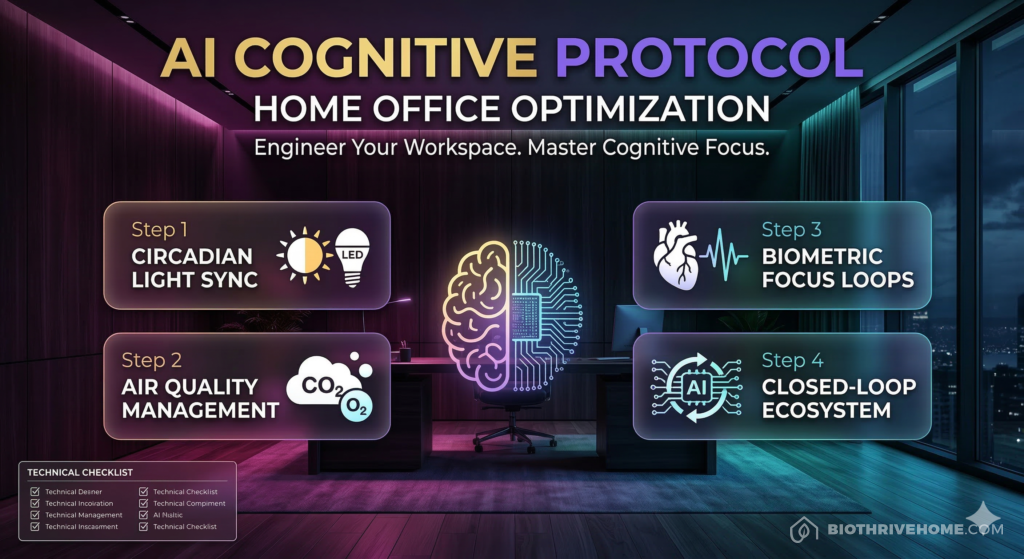
Step 1: Deploy AI-Driven Posture & Desk Mapping
Static ergonomics is a myth. Your body requires micro-adjustments throughout the day to prevent musculoskeletal strain.
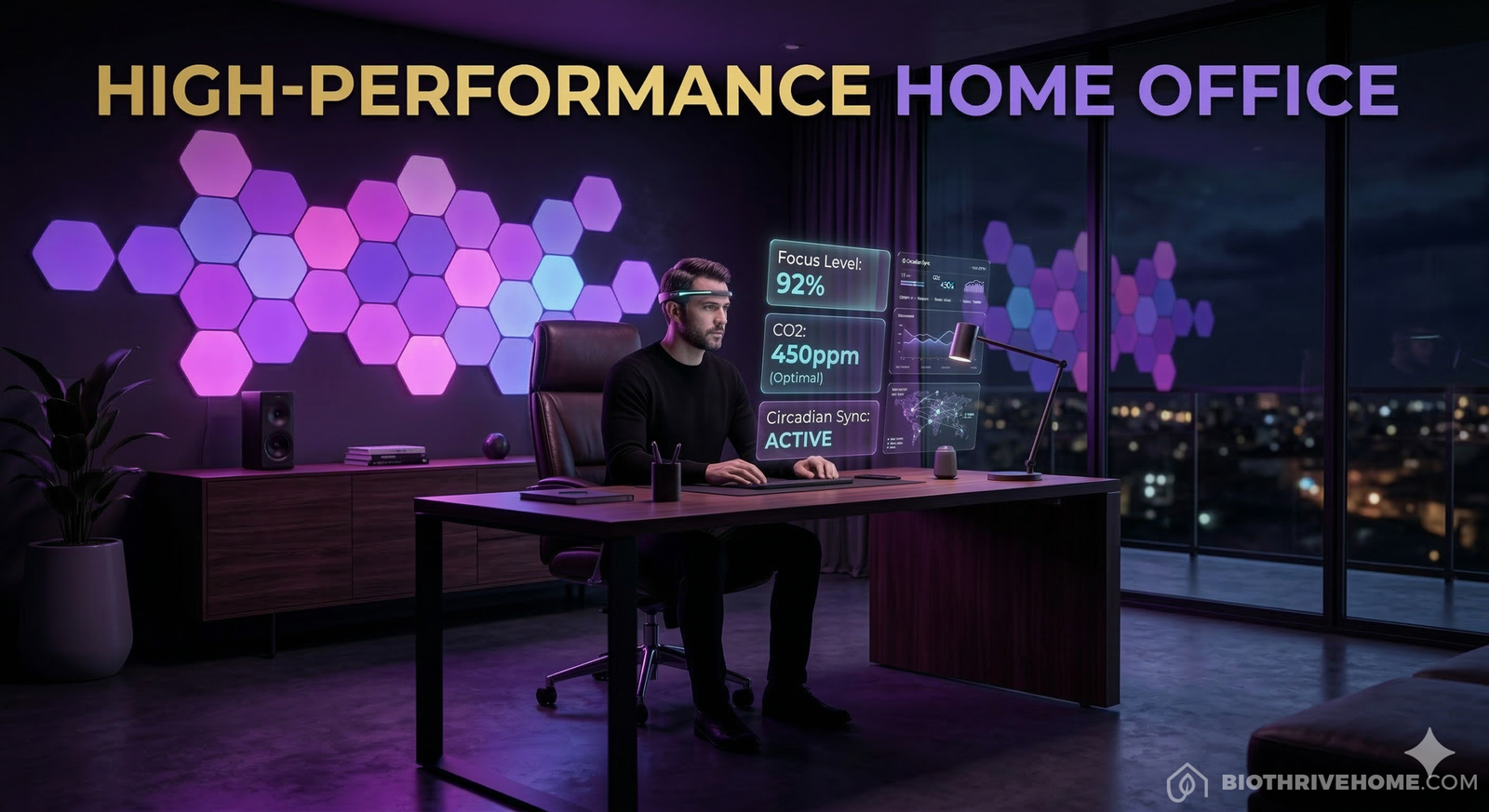
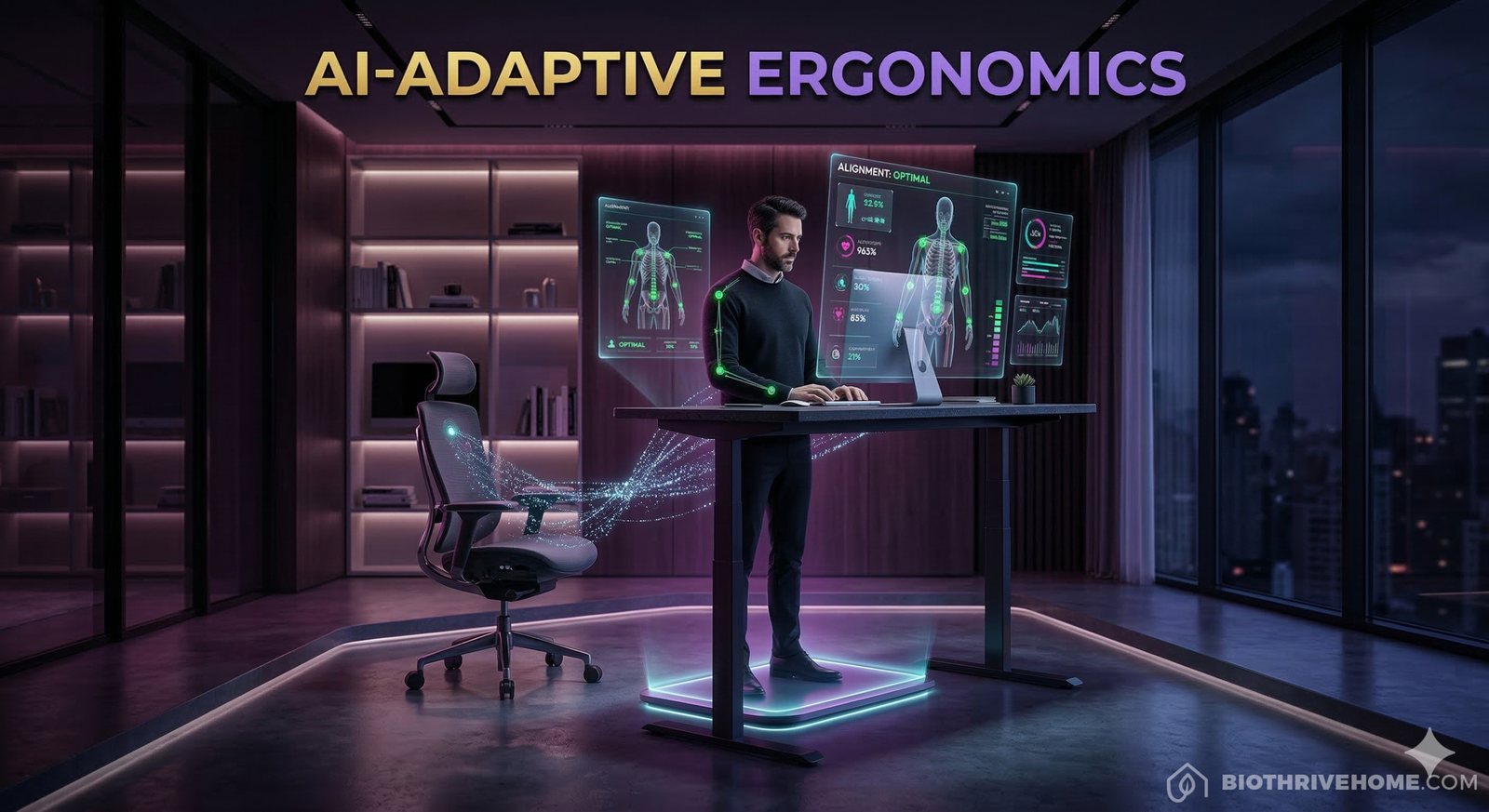
- How To: Utilize AI-vision sensors integrated into your monitor or High-Performance Home Office setup to track your spinal alignment in real-time. The system detects when you begin to slouch or lean, automatically adjusting the height of your smart desk by millimeters or prompting your ergonomic chair to shift its lumbar support, ensuring optimal blood flow without distracting you from your tasks.
Step 2: Implement Automated Micro-Movement Intervals
The “Pomodoro technique” is basic. AI-guided movement is precision.
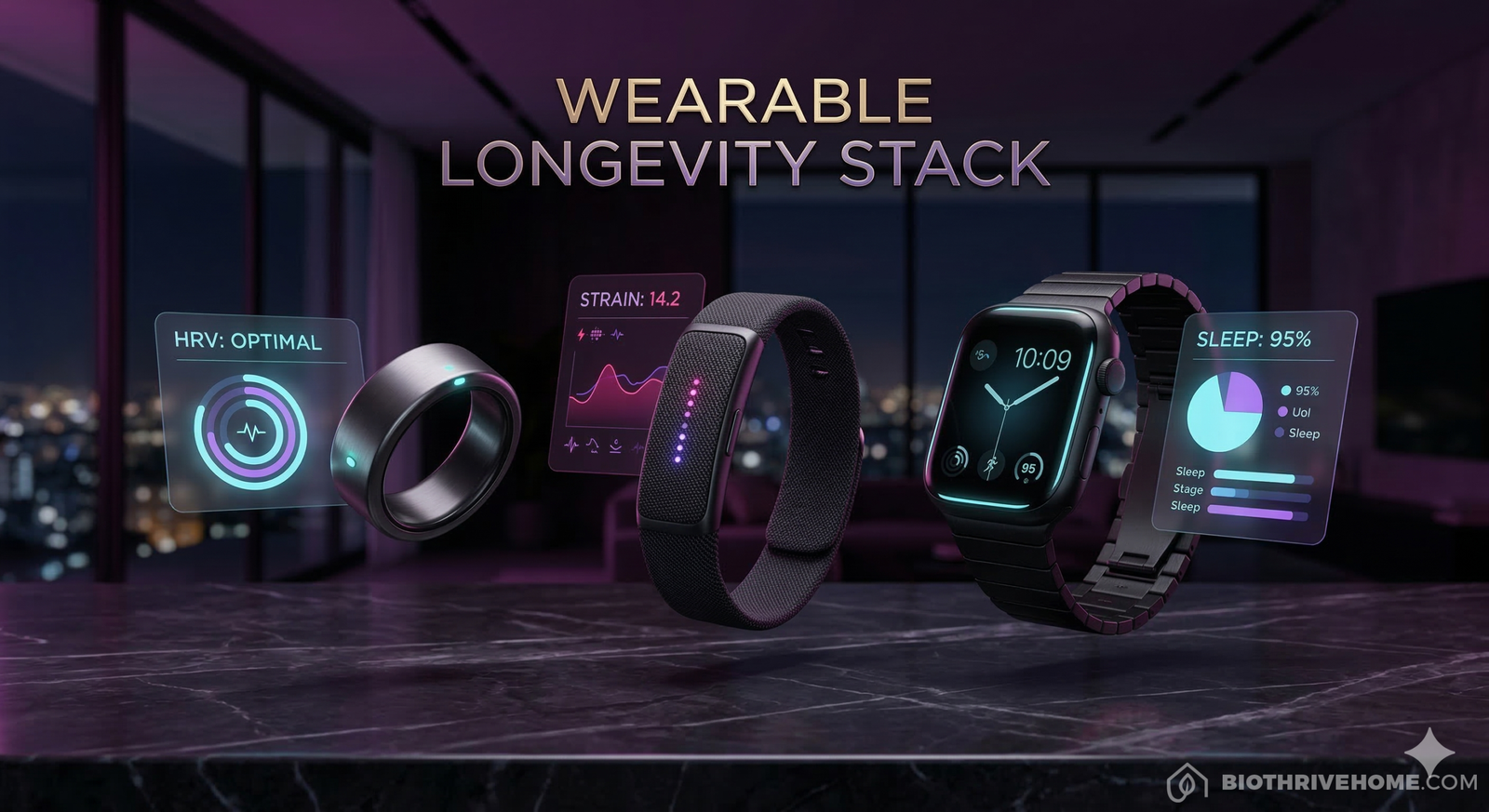
- How To: Sync your workspace with your Wearable Biometrics. When the AI detects a drop in metabolic rate or heart rate variability (HRV), it triggers a “Movement Loop.” The desk automatically transitions to standing height, and the floor-integrated vibration platform—similar to our Acoustic and Vibration Recovery protocols—activates at a low frequency to stimulate lymphatic drainage while you continue to type.
Step 3: Integrate Under-Desk Active Recovery Tools
Recovery shouldn’t only happen at the gym. It should happen during your 10:00 AM meeting.
- How To: Incorporate automated recovery hardware directly into your seating or floor space. This includes AI-managed compression sleeves for lower-limb circulation or localized heat therapy built into the chair’s fabric. These tools are managed by the same Closed-Loop Ecosystem that monitors your stress levels, applying gentle therapy the moment physical fatigue is detected.
Step 4: The Closed-Loop Physical Flow
Total synchronization between cognitive load and physical state.
- How To: As you finish a high-focus session, the system prepares your body for the next phase. If you are moving into a creative brainstorm, the AI might lower the desk, activate a subtle Vagus Nerve Stimulation (VNS) protocol to lower cortisol, and adjust the room’s Circadian Lighting to a warmer spectrum. This frictionless transition ensures you leave your desk feeling more energized than when you sat down.
Conclusion: Engineering the Frictionless Body
An AI-adaptive workspace treats your body as a dynamic system, not a static object. By automating your ergonomics and recovery breaks, you protect your structural integrity and metabolic health while maintaining elite levels of professional output. This is the future of sustainable high-performance work.