
The quest for a longer, healthier life is as old as humanity itself. However, in 2026, we have reached a pivotal turning point. We are moving away from generalized health advice and entering the era of Precision Longevity, powered by Artificial Intelligence (AI).
At BioThrive Home, we are witnessing a revolution where our living spaces are becoming active participants in our wellness journey. Here is how AI is fundamentally changing the way we age and thrive.
1. From Reactive to Proactive: The AI Health Sentinel
Traditionally, healthcare has been reactive—we treat diseases after symptoms appear. AI has flipped this script. By constantly analyzing data from wearable sensors and smart home devices, AI acting as a “Health Sentinel” can detect subtle physiological shifts long before a human can feel them.
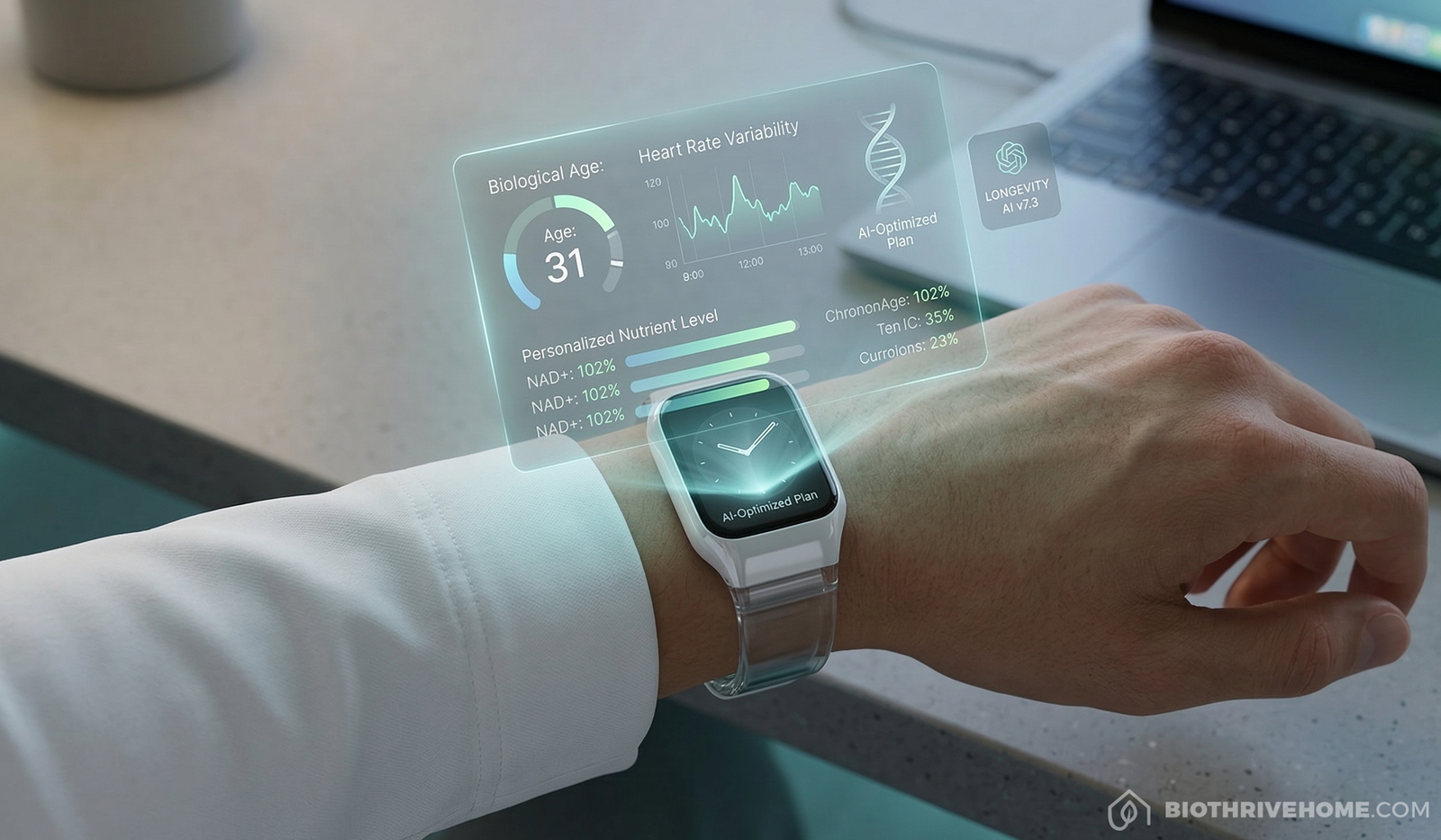
In 2026, AI models can now correlate heart rate variability (HRV), respiratory patterns, and even changes in gait to predict potential health issues. This allows individuals to make lifestyle adjustments in real-time, effectively slowing down the biological aging process.
2. Personalized Nutrition and “Smart Bioavailability”
We’ve all heard that “you are what you eat,” but AI adds a layer of precision: you are what you metabolize. AI-driven platforms now analyze blood glucose responses and gut microbiome data to generate hyper-personalized meal plans. Instead of a generic “healthy diet,” AI identifies which specific foods trigger inflammation in your body and which ones optimize your cellular energy. This level of precision is crucial for longevity, as it reduces oxidative stress—one of the primary drivers of aging.
3. The Smart Home as a Longevity Hub
The concept of the “Smart Home” has evolved beyond voice-controlled lights. In 2026, the BioThrive Home is an ecosystem designed for recovery.
- Circadian Lighting: AI systems now sync indoor lighting perfectly with your biological clock, optimizing melatonin production and deep sleep cycles.
- Thermal Intelligence: Smart mattresses and climate systems use AI to adjust temperatures based on your sleep stages, ensuring maximum cellular repair during the night.
- Air Quality Monitoring: Advanced sensors detect volatile organic compounds (VOCs) and allergens, with AI-driven filtration systems maintaining an optimal environment for respiratory health.
4. AI and Cognitive Resilience
Longevity isn’t just about the body; it’s about the mind. AI-powered cognitive training is becoming a standard part of daily life for those focused on brain health. These systems aren’t just games; they are adaptive algorithms that identify cognitive gaps and create personalized “brain workouts” to strengthen neural pathways, helping to ward off age-related cognitive decline.
5. The Role of Biological Age Tracking
In 2026, your “chronological age” (the number on your birthday) is becoming less relevant than your “biological age.” AI tools now integrate data from epigenetic tests and blood biomarkers to provide a real-time “Bio-Age” score.
This feedback loop is the ultimate motivator for longevity. When you can see that a specific change in your routine—such as improved sleep or targeted plant-based nutrition—is actually “lowering” your biological age, sustainability becomes a lifestyle.
Conclusion: The Future is Bio-Digital
The fusion of biological wisdom and digital intelligence is the hallmark of 2026. By embracing AI, we aren’t trying to live forever; we are trying to live better and vibrant for as long as possible.
The journey to a thriving life starts with understanding the data our bodies are already sending us. Technology is simply the bridge that allows us to listen.