
For years, pet insurance was a gamble—a monthly expense you hoped you would never actually need to use. But as we shift our mindset from reactive treatments to proactive longevity, the entire landscape of veterinary care has evolved. In 2026, asking “Is pet insurance worth it?” is like asking if a smartwatch is worth it. It is no longer just a financial safety net; it is an integrated part of your pet’s biohacking protocol.
As we explored in The Rise of the Connected Pet: Why Tech is the New Standard in Pet Care, the cost of advanced veterinary science—like stem cell therapy, AI diagnostics, and precision cancer treatments—has skyrocketed. To navigate this, the insurance industry has completely transformed.
The End of Static Premiums
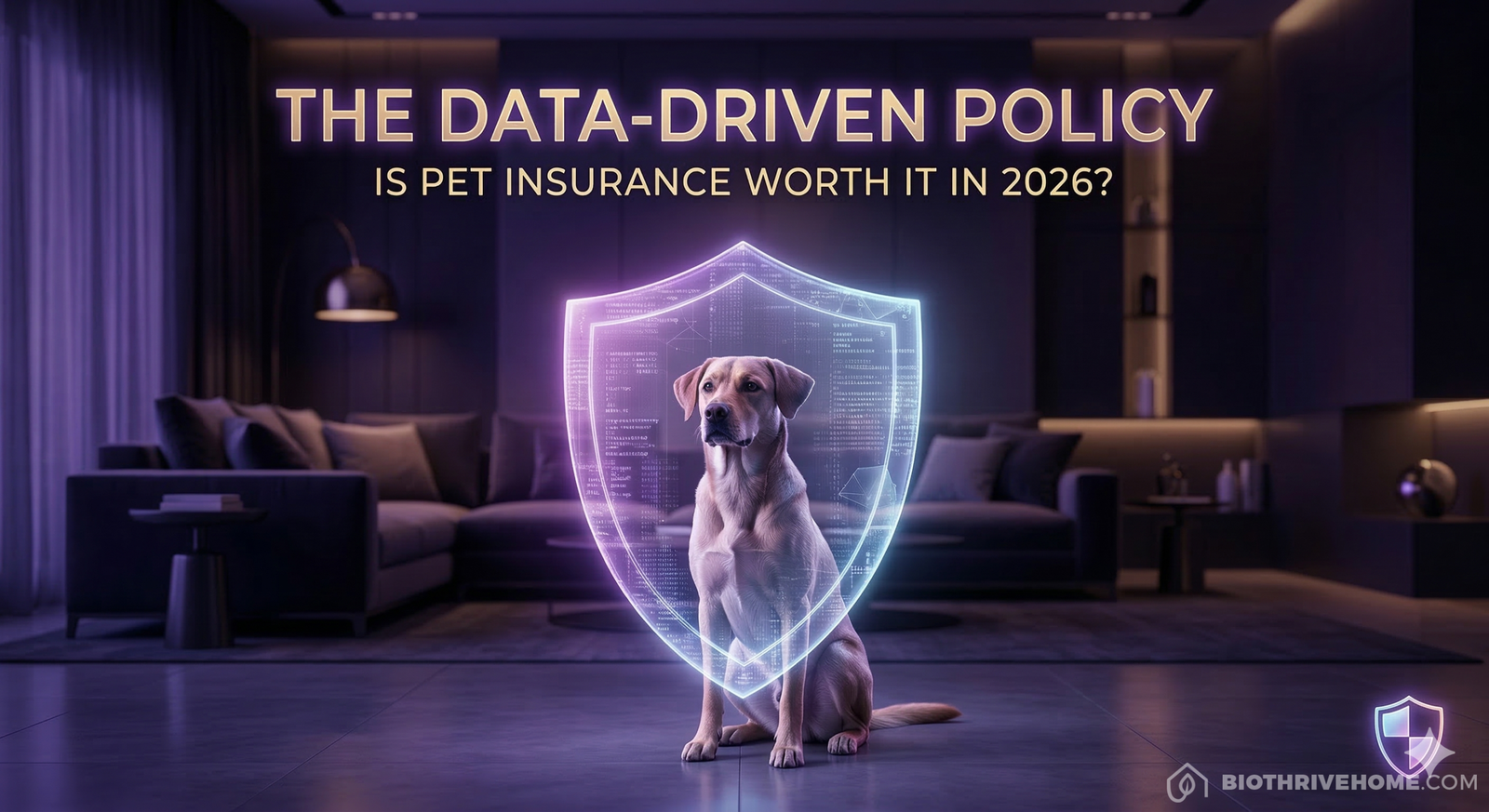
The biggest shift in 2026 is the transition to dynamic, data-driven policies. Insurance providers no longer base your premiums solely on your pet’s breed and age. Instead, they look at the biological data you are actively collecting.
If your dog wears a biometric tracker, like the ones reviewed in The Sentinel Collar: Best AI-Powered Pet Health Monitors of 2026, you can grant your insurance provider access to their activity levels, resting heart rate, and sleep quality. By proving that your pet gets adequate exercise and maintains a healthy cardiovascular baseline, companies are now offering “Proactive Health Discounts” of up to 30% off your monthly premium.
Rewarding Precision Nutrition
Obesity is the gateway to joint dysplasia, diabetes, and heart disease—all of which result in massive veterinary bills. Modern insurance companies recognize that diet is the ultimate preventative medicine.
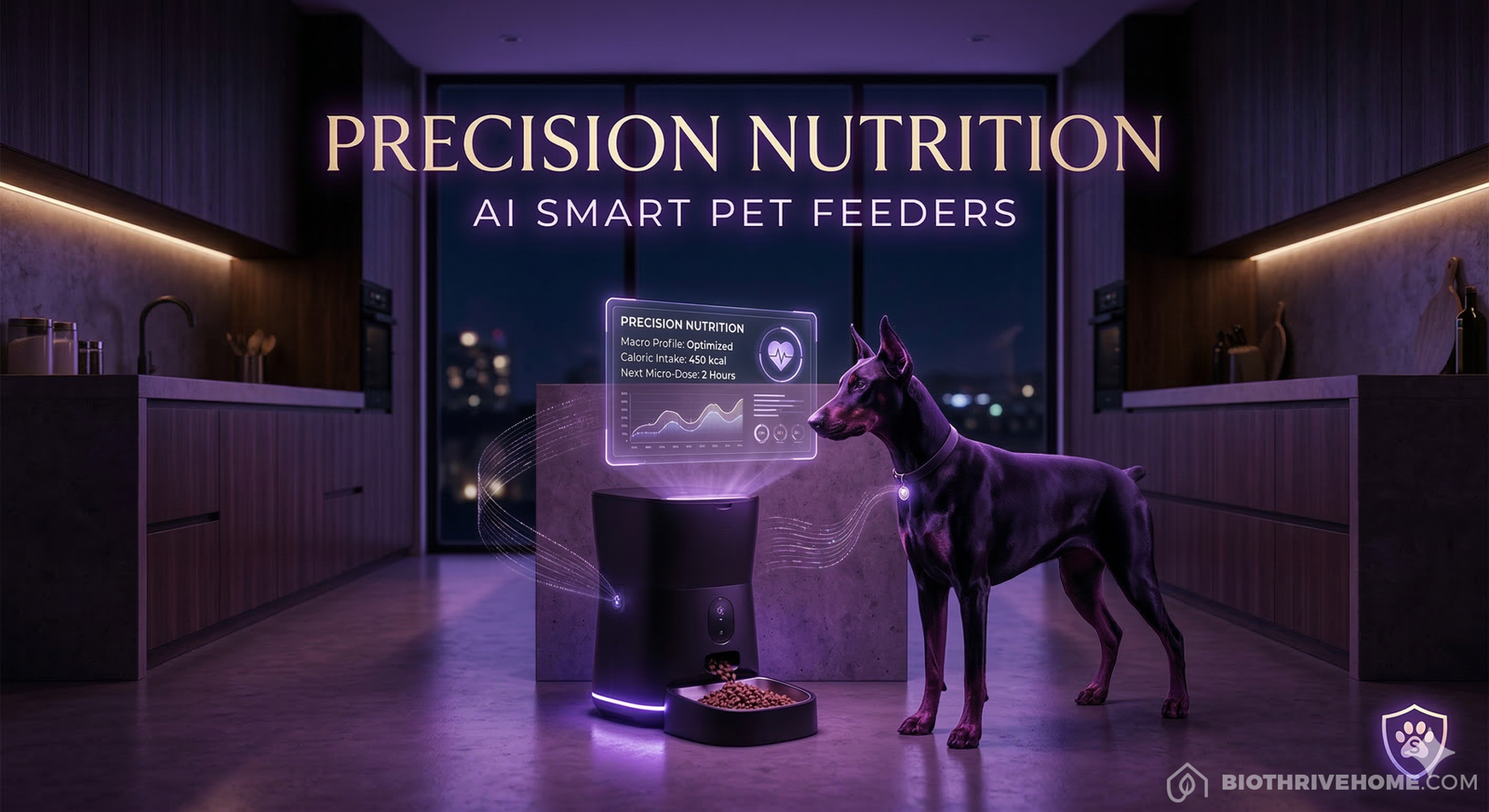
When you automate your pet’s feeding schedule using smart technology (as detailed in Precision Nutrition: Why AI Smart Pet Feeders are Essential in 2026), you eliminate the risk of overfeeding. Some forward-thinking insurance plans now integrate with smart feeder APIs. By maintaining a perfect, algorithmically calculated Body Condition Score, you are technically lowering the insurance provider’s risk, and they pass those savings directly to you.
Featured Biohack: Pumpkin SmartCare (Data-Driven Plan)
If you are building a longevity stack for your pet, traditional insurance won’t cut it. The Pumpkin SmartCare plan represents the gold standard for the modern, tech-enabled pet owner in 2026.
- The Tech (API Integration): Pumpkin allows you to sync your pet’s health data directly from approved smart collars and feeders. Their algorithm adjusts your policy dynamically, rewarding your proactive biohacking efforts with lower deductibles.
- Coverage for Optimization: Unlike legacy plans that only cover accidents and illnesses, the SmartCare plan covers preventative longevity treatments, including microbiome testing, advanced blood panels, and preventative dental cleanings.
- The Longevity Link: By removing the financial friction of expensive diagnostic tests, you are empowered to catch cellular degradation or early-stage illnesses months before physical symptoms appear.
Best For: Biohackers, owners of tech-connected pets, and anyone who views veterinary care as an ongoing optimization process rather than an emergency response.

Pumpkin SmartCare
Conclusion: The ROI of Healthspan
In 2026, pet insurance is absolutely worth it—but only if you choose a data-driven policy. It is the ultimate tool for financial peace of mind, allowing you to say “yes” to the most advanced longevity treatments available without hesitating over the cost. By combining biometrics, automated nutrition, and dynamic coverage, you guarantee your companion the longest, healthiest life mathematically possible.