
The Frictionless Smart Composter Protocol: Mastering Inputs for Biological Sovereignty

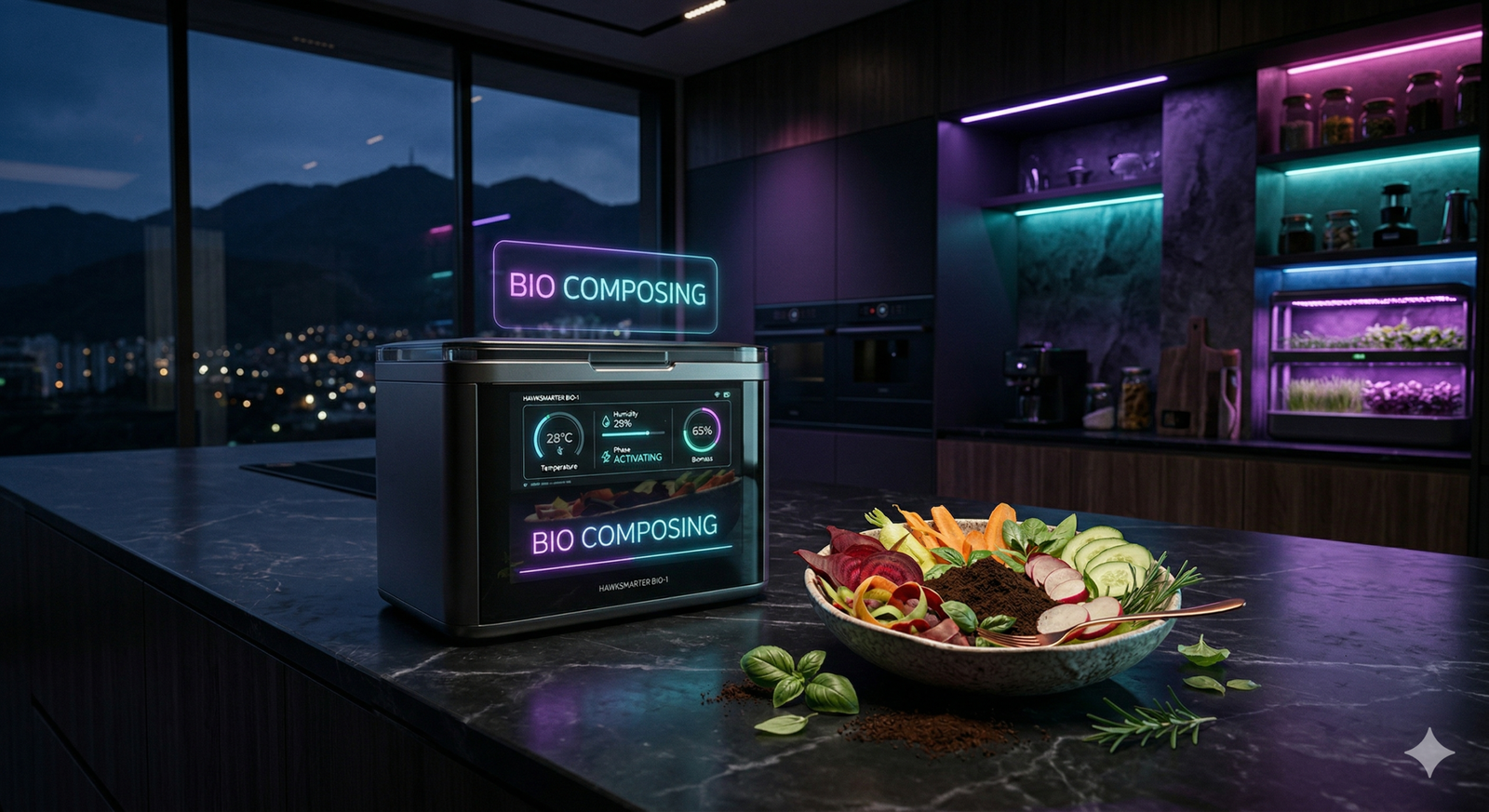
Installing a smart composter is merely the first step toward true biological sovereignty. As the CEO of your own health, you understand that any advanced system is only as effective as the data and resources you feed it. To transform your organic waste into a high-yield bio-fertilizer, you must shift your mindset from casual disposal to proactive bio-optimization.
Mastering your composter’s inputs and maintenance is a crucial part of algorithmic health—ensuring that the micro-ecosystem on your kitchen counter functions with absolute precision, zero odors, and maximum nutrient output.
The Algorithmic Health of Your Soil: Curating the Inputs
A smart composter accelerates natural decomposition through controlled heat, aeration, and precise mechanical grinding. However, introducing the wrong elements can disrupt this delicate balance, causing friction in an otherwise seamless system.
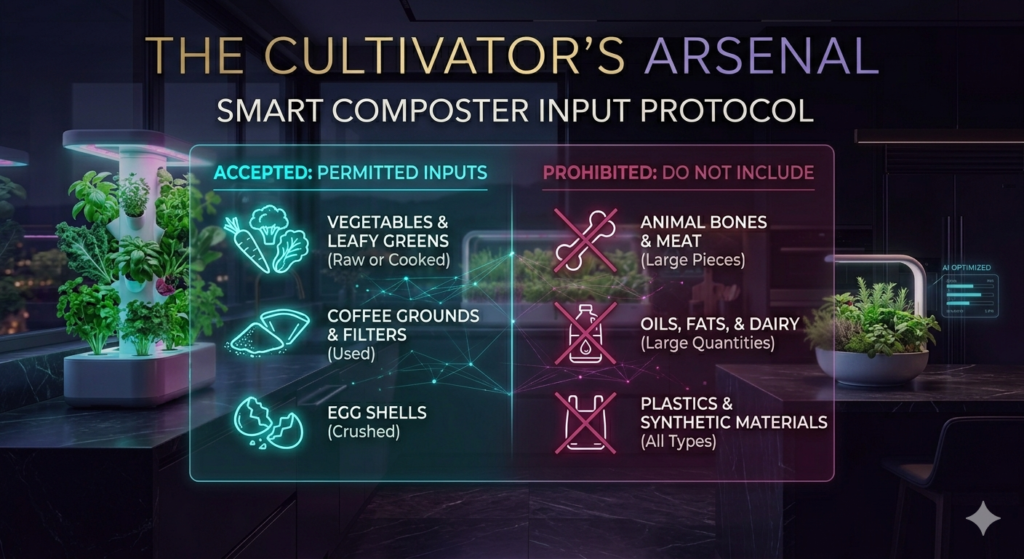
To maintain a frictionless decomposition cycle, stick to this high-performance input protocol:
Precision Inputs (What to Feed Your System)
- Plant-Based Scraps: Vegetable peels, fruit cores, and leafy greens provide the foundational macronutrients for your future soil.
- Coffee Grounds & Tea Leaves: Excellent sources of nitrogen that supercharge the microbial breakdown process.
- Eggshells: Crushed eggshells add crucial calcium, essential for fortifying the root structures in your apartment hydroponics indoor growing setup.
System Disruptors (What to Exclude)
- Large Bones & Hard Pits: These can jam the mechanical grinders, causing system errors and mechanical wear.
- Excessive Oils & Liquids: Too much moisture disrupts the internal climate control, potentially overwhelming the carbon filters and compromising your invisible environment air quality.
- Synthetic Materials: Even bio-plastics marketed as “compostable” often require commercial-grade heat to break down and should be kept out of your personal ecosystem.
Frictionless Maintenance for Peak Performance
High-performance technology requires routine calibration. Maintaining your smart composter ensures it remains a silent, odorless asset in your longevity protocol.
- Filter Calibration: The carbon filters are the unsung heroes of your kitchen’s air quality. Replace them strictly according to the manufacturer’s schedule (typically every 3 to 6 months) to ensure a zero-odor environment.
- Chamber Reset: Once the cycle is complete and you have harvested your bio-fertilizer, wipe down the internal bucket with a damp cloth to remove residual buildup. This prevents microbial imbalances in the next batch.
Actionable Conclusion
A sophisticated healthspan protocol leaves nothing to chance, extending optimization to how you manage waste. By strictly curating the inputs and performing frictionless maintenance, your smart composter becomes a highly efficient engine for proactive bio-optimization. Treat the daily act of composting not as a chore, but as a precise algorithmic process that closes the loop on your home’s nutrient cycle.
Explore the Smart Composting Trilogy: