The Rested Edge: Top 3 AI-Powered Sleep Trackers of 2026 for Longevity

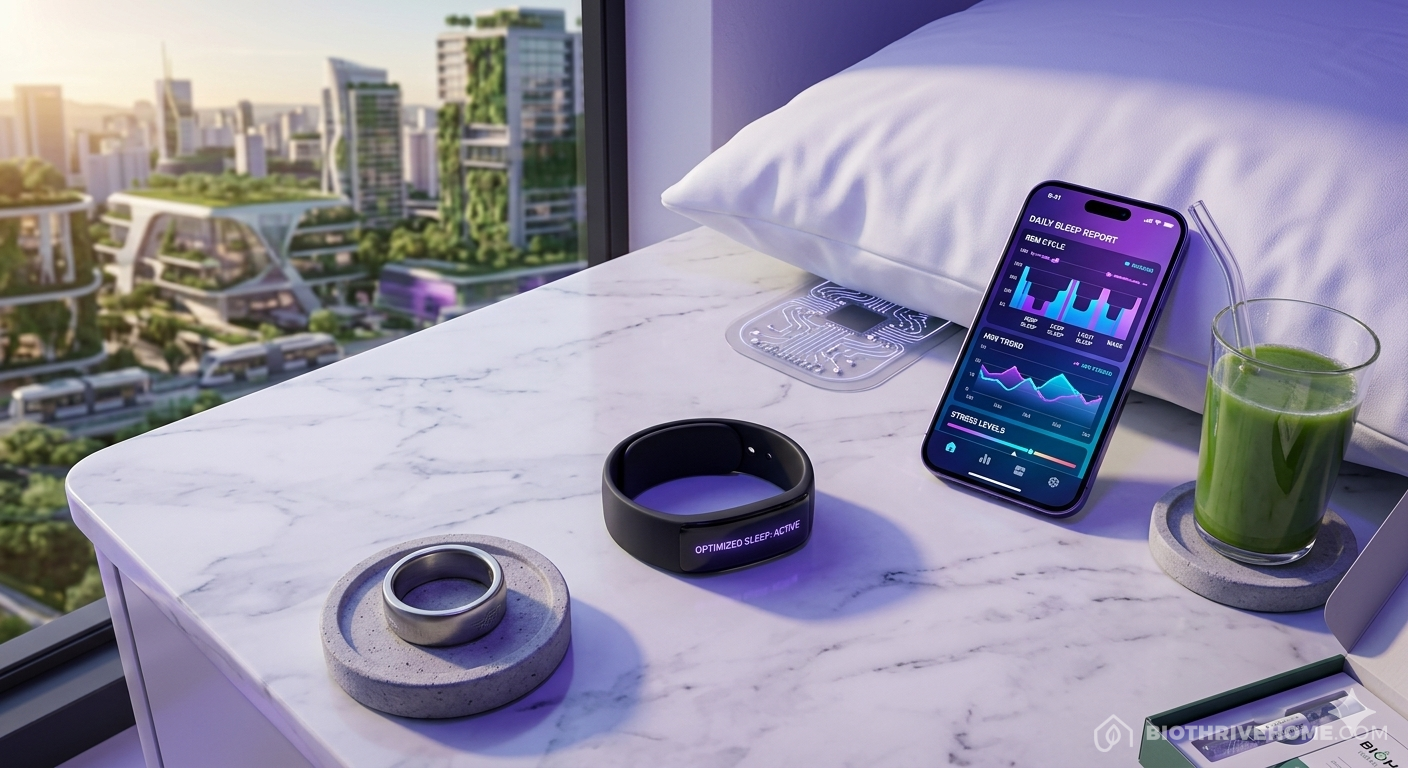
In the quest for redefining personal longevity through AI, sleep is the non-negotiable foundation. By 2026, we have moved past simple step-counting; we are now looking at molecular-level recovery data delivered to our smartphones.
At BioThrive Home, we believe that “what gets measured, gets managed.” If you are serious about biohacking your recovery, you need a device that doesn’t just track movement, but interprets your biological signals in real-time. Here is our expert breakdown of the top 3 sleep tracking technologies currently dominating the market.
1. The Smart Ring Revolution: Titanium Precision
Smart rings have become the gold standard for high-performance individuals who find wristbands intrusive during sleep.
- The Tech: These devices use research-grade infrared photoplethysmography (PPG) sensors to measure blood flow directly from the arteries in your finger. In 2026, the latest models track subtle physiological shifts like Heart Rate Variability (HRV), skin temperature, and even blood oxygen levels with 99% accuracy compared to clinical sleep studies.
- The Benefit: Because of the form factor, the “compliance rate” is much higher. You forget you’re wearing it, leading to more consistent long-term data.
- Best For: Users who prioritize recovery data (HRV) and want a discreet, stylish wearable that lasts 7+ days on a single charge.

Superior Comfort: The interior is now 100% seamless titanium with no sensor bumps, making it much more comfortable to wear, especially while sleeping.
Enhanced Accuracy: Features “Smart Sensing” technology with 18 signal paths, ensuring precise heart rate and SpO2 readings even if the ring rotates on your finger.
Long-Lasting Battery: Offers up to 8 days of battery life on a single charge, outperforming most smartwatches and previous generations.
Discreet & Premium Design: It looks like a high-end piece of jewelry rather than a gadget, making it ideal for those who want health tracking without a screen.
Best-in-Class App: The Oura ecosystem remains the gold standard for analyzing sleep stages, readiness, and women’s health.
Not Ideal for Weightlifting: Like any ring, it can get scratched or feel uncomfortable when gripping barbells or dumbbells in the gym.
No Active Notifications: Unlike a smartwatch, it doesn’t vibrate or alert you to incoming calls, messages, or alarms.
Proprietary Charger: It requires its specific charging cradle; you cannot charge it with a standard USB-C cable or a generic wireless pad.
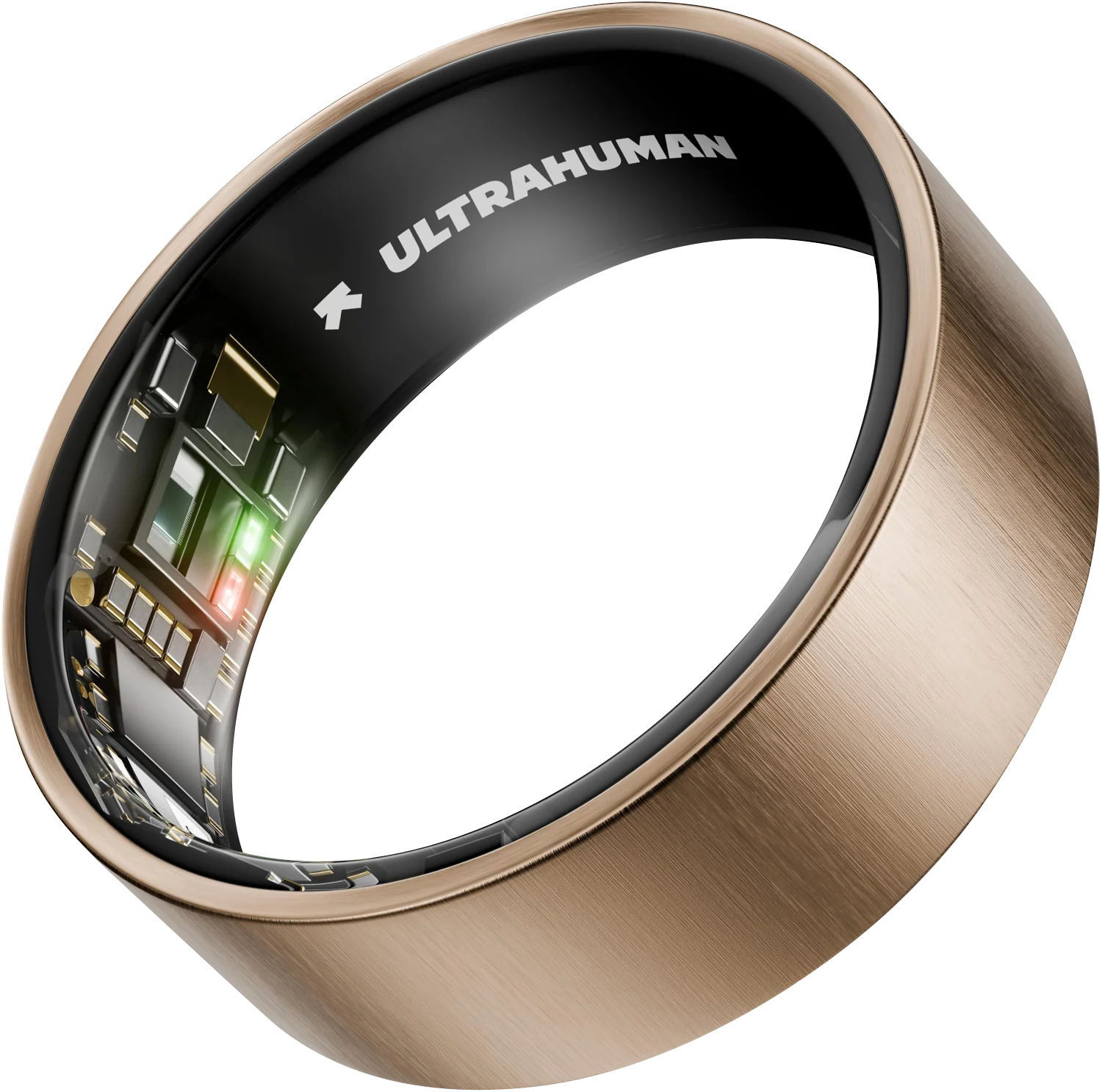
No Subscription: Unlike Oura, there are no monthly fees. You pay once for the ring and get lifetime access to all your data and insights.
Ultra-Lightweight: Weighing only 2.4g to 3.6g, it is one of the lightest and most comfortable smart rings on the market.
Metabolic Focus: The app is excellent for biohackers, integrating movement data with glucose tracking (via their M1 sensor) and caffeine intake windows.
Minimalist Design: Constructed from fighter-grade titanium with a very slim, sleek profile.
Circadian Rhythm Tools: Offers specific features to help align your daily routine with your biological clock and light exposure.
Finish Durability: Some users report that the outer coating can scratch more easily than the Oura Ring during heavy activity.
Average Battery Life: Lasts about 6 days, which is decent but falls short of the 8 days offered by the Oura Gen 4.
Dense App Interface: The app can feel a bit complex or “cluttered” for users who prefer a simple, streamlined experience.
Sleep Tracking Refinement: While very good, its sleep stage algorithms are generally considered slightly less refined than Oura’s industry-leading software.
2. Near-Sensing Technology: The “Frictionless” Experience
For those who want zero wearables on their body, 2026 has brought us the “Ambient Intelligence” era with under-mattress and bedside sensors.
- The Tech: Using ballistocardiography (BCG), these sensors detect the mechanical impact of your heartbeat and breathing through the mattress. Some high-end units now integrate with your AI-powered nutrition and smart feeders to correlate if your pet’s movement or feeding schedule is disrupting your deep sleep cycles.
- The Benefit: There is nothing to charge and nothing to wear. The system activates automatically the moment you lie down.
- Best For: Couples who want individual tracking without wearables, or people with sensitive skin who find rings or watches uncomfortable.
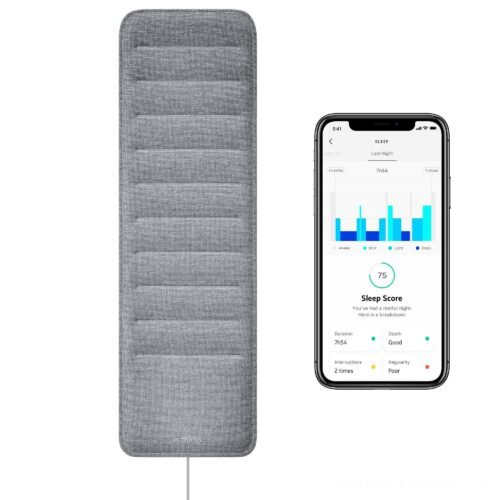
Withings Sleep
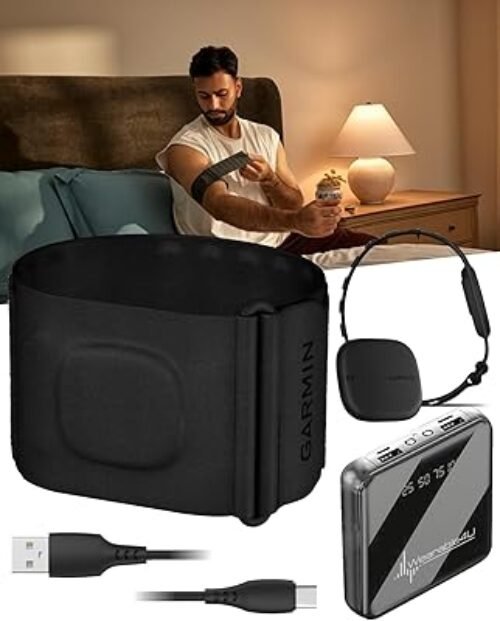
Garmin Index Sleep Monitor
3. The AI Sleep Coach: Beyond Raw Data
The most significant leap this year isn’t the hardware, but the AI brain behind it. The best trackers now act as “Biological Interpreters.”
- The Intelligence: Instead of just giving you a “Sleep Score,” the AI synthesizes environmental data. It can tell you: “Your REM sleep was 15% lower because the humidity from your indoor hydroponic garden increased by 10% last night, raising your core temperature.”
- The Longevity Connection: By identifying these patterns, the AI provides actionable advice—like adjusting your supplement timing or changing your evening wind-down routine—to maximize cellular repair.
- Best For: The data-driven biohacker who wants a personalized roadmap to peak performance, not just a graph.
Conclusion: Which One Should You Choose?
Choosing a sleep tracker is a personal investment in your future self. If you want the most accurate recovery data, go with a Smart Ring. If you want a “set it and forget it” solution, choose a Near-Sensing Mattress Pad.
At the end of the day (literally), the best tracker is the one you will actually use every night. Consistency is the key to unlocking the data that will extend your healthspan.